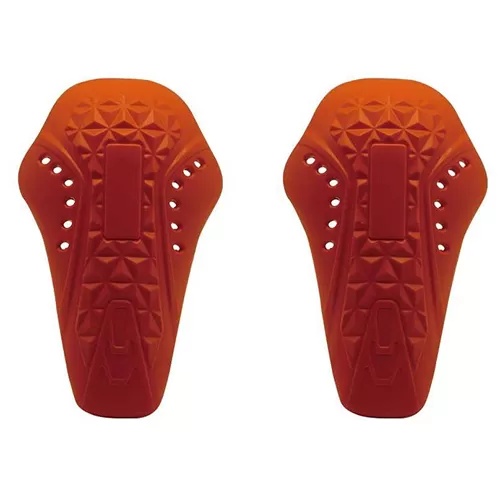
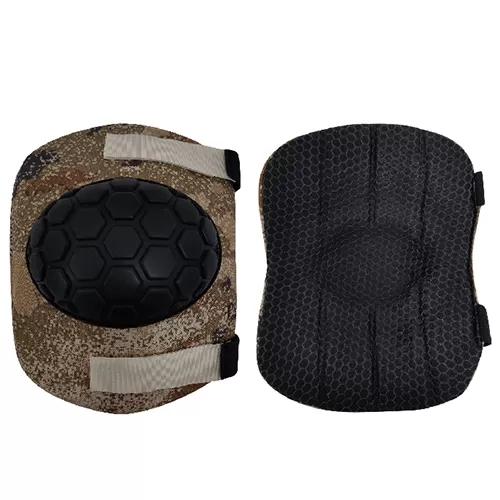
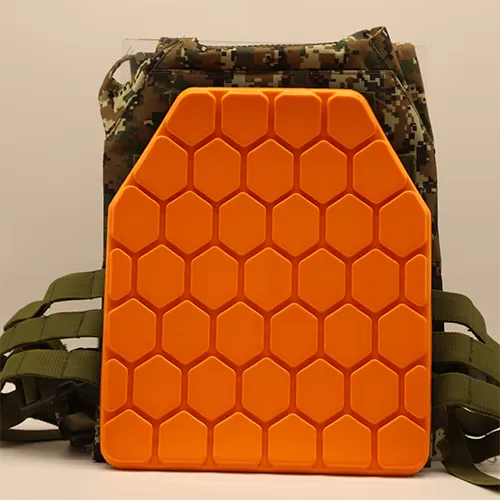
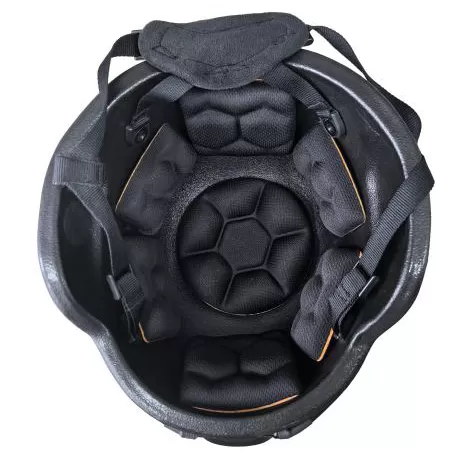
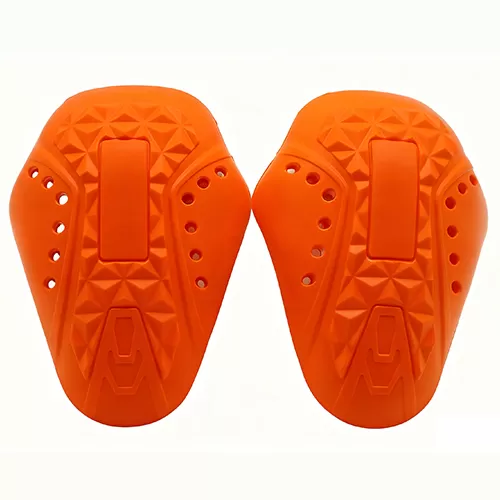
KNEE GUARD - MOTORCYCLE CLOTHING/ SKI WEAR AND OTHER BUILT-IN PROTECTIVE GEAR

Traditional protective pads have helped athletes reduce injuries for decades, but modern sports demand more than simple impact absorption. Athletes today need protection that is lightweight, flexible, comfortable, and capable of responding instantly to high-impact forces.
Smart impact protection materials, especially Shear Thickening Fluid (STF)-based solutions, are changing how protective equipment is designed. Unlike traditional foam or rigid padding, these advanced materials remain soft and flexible during normal movement but rapidly increase resistance when exposed to sudden impact, providing adaptive protection without limiting athletic performance.
For sports brands and protective equipment manufacturers, this technology represents a new direction for developing next-generation sports protection gear, impact protection equipment, and wearable safety solutions.
The main difference is how the materials respond to force.
Traditional pads usually rely on materials such as EVA foam, polyurethane foam, rubber, or molded plastics. These materials reduce impact by compressing and spreading energy. However, their protection level is generally fixed, meaning they provide the same response whether the athlete is moving normally or experiencing a high-force collision.
Smart impact protection materials work differently. Shear Thickening Fluid (STF) is a non-Newtonian material that changes its behavior under sudden force. During regular movement, it stays flexible and comfortable. When exposed to rapid impact, the material instantly becomes more resistant, helping absorb and distribute impact energy.
| Feature | Traditional Pads | Smart Impact Protection Materials |
|---|---|---|
| Material response | Passive protection | Adaptive protection |
| Flexibility | Can become stiff with thickness | Maintains softness during movement |
| Impact response | Fixed performance | Changes according to impact intensity |
| Weight | Often requires thicker layers | Lightweight high-performance design |
| Comfort | May restrict movement | Designed for mobility |
| Long-term wearability | Can cause discomfort | Better suited for extended use |
This adaptive performance is why more sports equipment developers are exploring STF technology for advanced protective applications.
Traditional protective pads provide reliable protection, but they often require a compromise between safety and performance.
Athletes need equipment that allows natural movement while reducing injury risks during unexpected impacts. Conventional solutions may create several challenges:
Limited flexibility: Thick foam layers can restrict movement, especially in high-speed sports.
Added weight: More protection often means heavier equipment.
Reduced comfort: Rigid materials may create pressure points during long training sessions or competitions.
Fixed protection level: Traditional materials cannot automatically adjust to different impact conditions.
In sports such as football, hockey, basketball, skiing, cycling, and motorsports, athletes experience frequent changes between normal movement and sudden high-energy impacts. Protective materials must respond quickly without affecting performance.
Shear Thickening Fluid improves protection by creating a dynamic response to impact forces.
Under normal conditions, STF behaves like a flexible liquid-like material, allowing protective equipment to bend, stretch, and move naturally with the body. When a sudden impact occurs, the particles inside the fluid interact more strongly, increasing resistance and creating a temporary protective structure.
This unique property enables STF-based materials to provide:
Unlike traditional foam, which relies mainly on compression, STF technology reacts immediately to sudden forces. This helps reduce transmitted energy during collisions, falls, and high-impact events.
Athletes require unrestricted mobility. STF-based protective layers can remain soft and lightweight during regular activity, making them suitable for wearable sports equipment.
Adding more foam thickness is not always the best solution. Smart materials allow manufacturers to develop thinner protective structures while maintaining high impact resistance.
For many advanced sports applications, smart impact protection materials offer significant advantages over conventional foam-based systems.
Foam pads are effective for general cushioning, but their performance depends heavily on thickness, density, and design. Smart materials introduce a more adaptive approach by responding differently to low-speed movement and high-speed impact.
For professional athletes and sports equipment brands, the key benefits include:
Improved protection-to-weight ratio
Better body movement compatibility
Enhanced wearing comfort
More flexible product design options
Potential for thinner and more ergonomic protective equipment
However, traditional foam materials still have advantages in cost-sensitive applications. The choice depends on the required protection level, product positioning, and target users.

STF technology can be integrated into various sports protection applications, including:
Sports involving collisions require materials that can handle repeated impacts. STF-based solutions can support the development of:
Football protective equipment
Rugby protection systems
Hockey protective gear
Basketball impact protection products
Motorcycle riders, skiers, and outdoor athletes face unpredictable impact situations. Adaptive materials can help improve:
Protective jackets
Impact vests
Shoulder and elbow protection
Knee and hip protection
Helmet liners and body protection components require materials that combine comfort with impact resistance. Smart materials provide opportunities for manufacturers to design safer and more comfortable protective structures.
The sports equipment market is moving toward lightweight, high-performance, and user-focused designs. Consumers increasingly expect protective products that do not feel bulky or restrictive.
For manufacturers, adopting smart impact protection technology can create competitive advantages:
Advanced materials allow brands to develop premium protective equipment with unique performance characteristics.
Athletes are more likely to wear protective gear consistently when it is comfortable, flexible, and lightweight.
STF technology enables new product designs beyond traditional foam-based protection systems.
For companies developing next-generation sports protection products, material innovation has become a key factor in market competitiveness.
When selecting materials for protective gear development, manufacturers should evaluate several factors:
The material should provide reliable protection against the specific forces involved in the sport.
Protective equipment must support natural body movement during training and competition.
Lightweight designs improve athlete acceptance and long-term usability.
Materials should be compatible with different manufacturing processes, including protective inserts, wearable systems, and composite structures.
Different sports require different protection levels, durability, and environmental resistance.
The future of protective equipment is moving from passive cushioning toward intelligent impact management.
Traditional pads were designed to absorb impact after it happened. Smart impact protection materials are designed to actively respond when impact occurs.
With advances in Shear Thickening Fluid technology, sports brands can develop protective equipment that delivers:
Greater safety
Improved comfort
Enhanced mobility
Lightweight performance
Advanced material innovation
As athletes continue to demand better performance and protection, smart materials will play an increasingly important role in the next generation of sports protective equipment.
For sports equipment manufacturers seeking advanced protection solutions, NNF’s Shear Thickening Fluid technology provides a pathway toward developing smarter, lighter, and more effective protective gear for modern athletes.