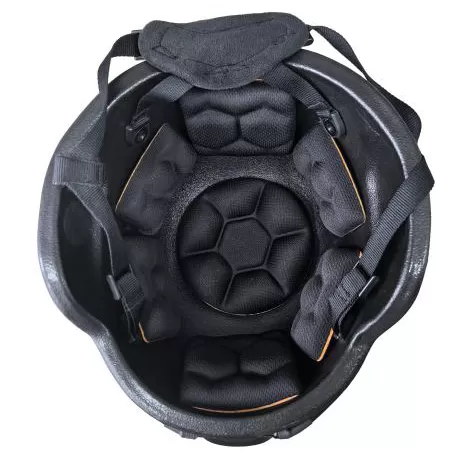
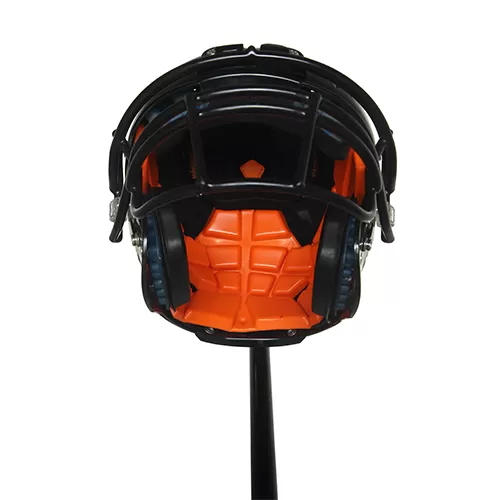
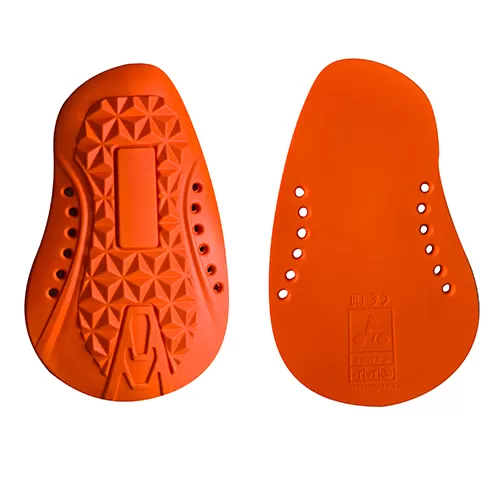
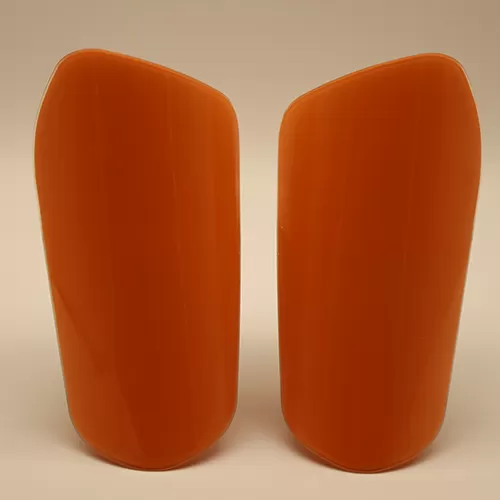
NNF-BH SERIES BULLETPROOF HELMET LINERS WITH NON-NEWTONIAN FLUID CHARACTERISTIC

Choosing the right motorcycle protective gear starts with three priorities: adequate protection for key impact areas, verified testing for the intended protector, and a fit that keeps the armor correctly positioned while riding.
A complete protection strategy should consider the back, chest, shoulders, elbows, knees and other exposed areas rather than focusing only on a jacket or helmet. The best motorcycle protective equipment should also balance impact protection with flexibility, weight and riding comfort.
For riders and motorcycle brands looking for advanced protection, NNF manufactures finished motorcycle protectors using proprietary shear-thickening impact technology. The technology is integrated into finished guards, liners and molded protective components; NNF does not sell raw STF, foam sheets, rolls or polymer compounds separately.
Not every riding situation requires exactly the same setup, but protective coverage should generally be selected according to the areas most exposed during falls and impacts.
| Protective Area | Typical Product | What to Evaluate |
|---|---|---|
| Back | Motorcycle back protector | Coverage, flexibility, impact test level and riding posture |
| Chest | Motorcycle chest protector | Coverage without restricting breathing or upper-body movement |
| Shoulders | Shoulder protectors | Stable positioning inside riding apparel |
| Elbows | Motorcycle elbow guards | Joint mobility and resistance to shifting |
| Knees | Motorcycle knee guards / knee pads | Flexibility when bending the leg and secure positioning |
| Hips | Hip protectors | Low bulk and compatibility with riding pants |
The goal is not simply to add as much padding as possible. Each protector should remain where it is intended to protect the rider while allowing normal riding movement.
For example, a thick pad that moves away from the knee when the leg bends may provide less practical protection than a thinner, ergonomically shaped protector that stays correctly aligned.
NNF's current NNF-ME range is designed for motorcycle and ski protective applications and includes finished protection intended to combine impact response with flexibility.
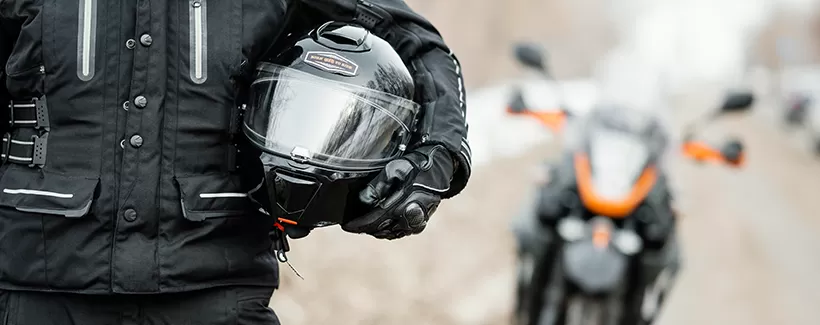
When evaluating motorcycle safety gear, buyers should look beyond appearance and check the actual test standard applicable to each protector.
EN 1621 is a European standards series covering motorcycle impact protectors. EN 1621-1 addresses limb and joint impact protectors, while EN 1621-2 covers motorcycle back protectors. These standards include requirements related to impact performance as well as matters such as coverage, ergonomics, marking and product information.
That distinction matters because “EN 1621 tested” should not be treated as one universal specification for every piece of armor. A knee or elbow protector and a back protector serve different functions and should be evaluated against the appropriate product standard.
NNF states that its NNF-ME motorcycle protective gear has undergone EN 1621 testing, including impact testing under different environmental conditions. For B2B procurement, buyers should still confirm the exact test report, protector model, applicable standard part and performance level required for their project.
A useful procurement rule is:
Do not buy motorcycle armor based only on a “CE” icon or a general safety claim. Ask what exact protector was tested, which standard applies, and whether the report covers the product configuration you intend to purchase.
Fit is one of the most overlooked parts of selecting motorcycle protective gear.
A protector should cover the intended body area when the rider is actually in riding position—not only when standing upright. Motorcycle posture changes the angle of the shoulders, elbows, back, hips and knees, which can shift poorly fitted armor away from the intended protection zone.
For built-in protectors, check whether the armor sits securely inside the garment pocket and whether the pocket prevents excessive movement. For standalone protection, straps or supporting structures should hold the protector in position without causing uncomfortable pressure.
When evaluating motorcycle armor, bend the elbows and knees and simulate the actual riding posture. The protector should follow the joint without creating large gaps or sliding away from the impact area.
This is particularly important for motorcycle knee pads and elbow protectors because these joints move continuously while riding.
Armor does not need to feel excessively tight to be secure. What matters is whether its protective area stays correctly positioned during normal movement.
A well-designed protector should therefore balance:
secure positioning;
sufficient coverage;
joint flexibility;
low unnecessary bulk;
compatibility with the riding garment.
For OEM brands, these factors should also be evaluated during garment integration rather than after the armor design has already been finalized.
Traditional motorcycle armor commonly relies on foam or rigid structures to absorb or distribute impact. Modern protection can also incorporate smart impact-responsive technologies that are designed to remain flexible during normal movement while increasing resistance when subjected to sudden force.
NNF uses proprietary shear-thickening technology within its finished protective gear. The technology is not offered as an independent raw material product; it is engineered into finished protectors, liners and molded components.
This is important because the performance of a motorcycle protector does not depend on material chemistry alone.
The finished product also depends on:
Protector geometry. The shape should correspond to the body area being protected rather than functioning as a generic flat pad.
Thickness and coverage. More thickness is not automatically better if it creates excessive bulk or interferes with riding movement.
Flexibility. Shoulder, elbow and knee armor needs to accommodate repeated movement while remaining correctly positioned.
Environmental performance. Motorcycle equipment may be exposed to heat, cold, moisture and aging, so buyers should consider whether relevant environmental testing has been performed.
Integration. The same protective core can perform differently depending on how it is incorporated into a jacket, pants or other protective system.
This is why buyers should compare finished motorcycle protectors, not simply ask which raw material is “best.”
For brands, distributors and protective equipment manufacturers, sourcing motorcycle protective equipment requires a different approach from buying consumer riding gear.
Instead of evaluating only color, styling or retail packaging, B2B buyers should examine the protector as an engineered component of the final product.
A motorcycle back protector needs to provide meaningful coverage while following the rider's back in riding position. Excessive stiffness can affect comfort, while insufficient structure may make integration difficult.
NNF manufactures finished back protectors for motorcycle clothing and related protective applications. The product should be evaluated according to the intended garment, size range and required test specification.
A motorcycle chest protector should protect the intended chest area without unnecessarily restricting upper-body movement.
For integrated riding apparel, buyers should consider protector dimensions, thickness, contour and how the component fits into the garment construction.
Knees and elbows require protection around highly mobile joints.
NNF's knee protector is designed as a finished built-in component for motorcycle clothing and other protective applications. Its current product page also lists EN 1621 testing information.
For both motorcycle knee guards and motorcycle elbow guards, B2B buyers should check whether the design remains correctly positioned after repeated bending and whether the protector can be integrated into the intended garment without excessive bulk.
Shoulder armor should follow the body contour while remaining stable inside the garment. Because shoulder movement changes considerably between standing and riding positions, prototype fitting should be carried out with the final apparel structure whenever possible.
Together, these individual protectors can form a more complete motorcycle protection system instead of relying on one generic pad for multiple body areas.
For a brand developing new riding equipment, choosing a motorcycle protective gear manufacturer involves more than comparing a material datasheet.
The first step should be defining the finished product requirement: which body area is being protected, whether the armor will be removable or built in, what size and thickness are available inside the garment, and what test standard the final protector needs to address.
Buyers should then review the manufacturer's ability to adapt the protector to the actual product design.
NNF supports customized protective applications including motorcycle armor and other sport-specific protective products. Its customization process is centered on developing finished protective solutions around the intended application rather than selling the underlying STF formulation as a raw material.
Before requesting a quotation, it is useful to provide:
intended protector location;
target dimensions or drawings;
required thickness;
garment or equipment integration method;
target test or certification requirement;
estimated order quantity.
This allows the manufacturer to evaluate the complete protector rather than recommending a material without understanding how it will actually be used.
For NNF projects specifically, buyers should request finished protector samples or customized protective components, not raw STF or unprocessed foam material.
There is no single protector that replaces all others. Riders should consider protection for several high-impact areas, particularly the back, chest, shoulders, elbows and knees, together with appropriate riding apparel and a suitable helmet.
EN 1621 is a standards series for motorcycle impact protectors. EN 1621-1 applies to limb and joint protectors, while EN 1621-2 applies to back protectors.
The better choice depends on the product design and protection requirement. Flexible armor can improve comfort and mobility, but buyers should judge the complete protector by its tested performance, coverage and ability to remain correctly positioned.
They should remain centered over the intended knee protection area when the rider bends the leg and adopts a riding position, without causing excessive pressure or restricting normal movement.
No. NNF states that raw STF, foam sheets, rolls and polymer compounds are not sold separately. The company's shear-thickening technology is integrated into the finished protective gear, liners and molded components it manufactures.
Choosing the proper motorcycle protective gear is ultimately about matching the right protector to the right body area, riding environment and performance requirement.
Safety standards matter, but certification alone should not be the only selection criterion. Buyers should also evaluate coverage, ergonomics, fit, flexibility, environmental performance and how securely the armor integrates into the final riding equipment.
For motorcycle brands and protective equipment manufacturers, the same principle applies at the sourcing stage: evaluate the finished protector, not only the material inside it.
NNF manufactures finished motorcycle impact protectors using proprietary shear-thickening technology, with products covering areas such as the back, chest, shoulders, elbows and knees. The company also supports customized protective product development for OEM and bulk procurement projects.
NNF does not supply raw STF materials separately. If you are developing motorcycle apparel or protective equipment, contact NNF to discuss the finished protector, required fit, target application and customization requirements.