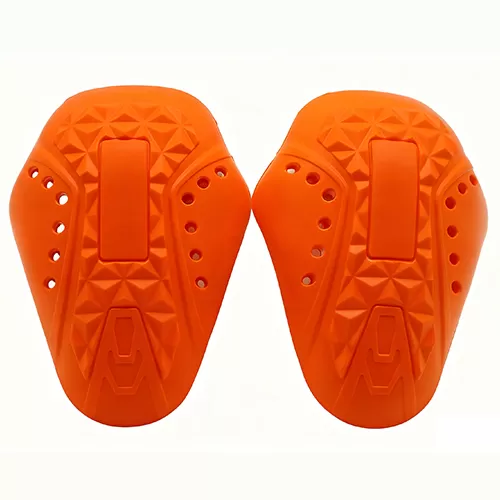
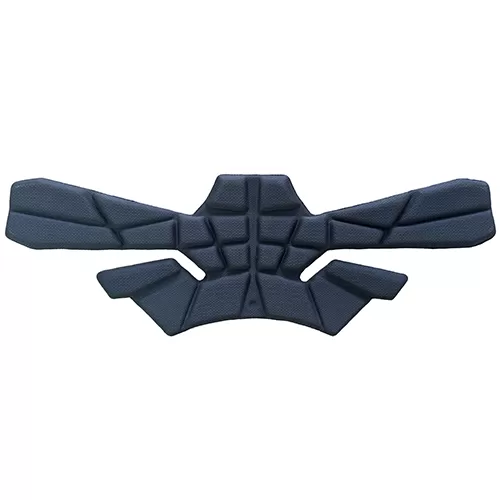
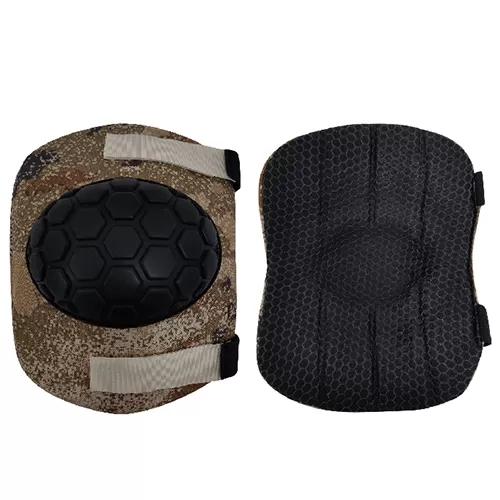
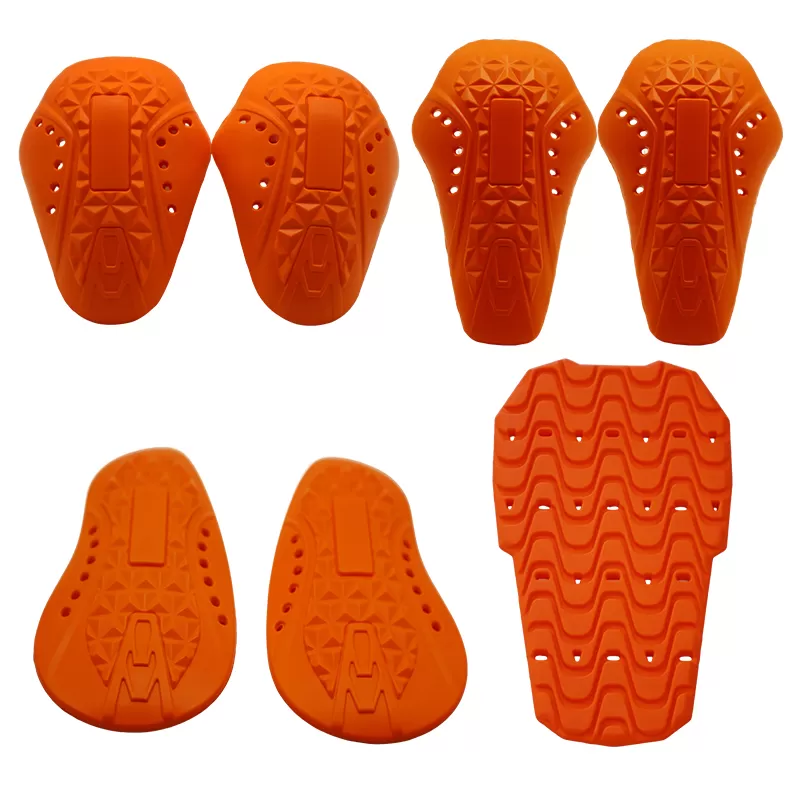
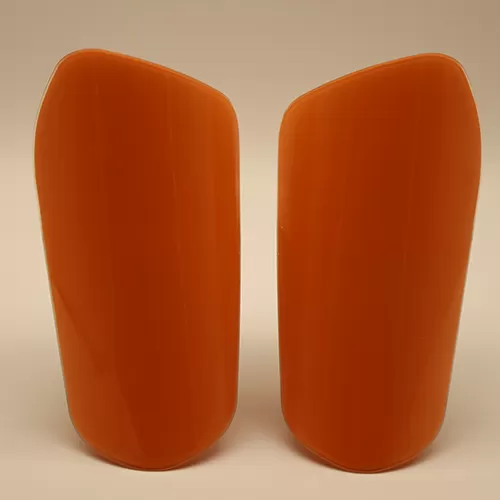
SHOULDER GUARD - MOTORCYCLE CLOTHING/ SKI WEAR AND OTHER BUILT-IN PROTECTIVE GEAR

Modern military protection gear can become lighter without reducing safety by adopting advanced impact-responsive materials, optimized structural designs, and lightweight composite technologies. Among these innovations, Shear Thickening Fluid (STF)-based protection materials provide a new approach by remaining flexible during normal movement while rapidly increasing resistance when exposed to sudden impact.
For defense equipment manufacturers, the challenge is no longer simply creating stronger armor. The focus has shifted toward developing lightweight military protection systems that improve mobility, reduce fatigue, and maintain reliable protection in demanding environments.
Traditional military armor often achieves higher protection levels by adding more material thickness and rigid layers. While effective against certain threats, heavier equipment can create operational challenges:
Reduced mobility and agility
Increased physical fatigue during extended missions
Limited flexibility in complex environments
Higher energy consumption for soldiers carrying equipment
Reduced comfort during long-duration operations
Modern military operations require personnel to move quickly, adapt to changing environments, and maintain performance under pressure. Therefore, lightweight protection has become a critical factor in next-generation tactical equipment development.
The goal is not simply to remove weight but to achieve a better protection-to-weight ratio through advanced material engineering.
Lightweight military protection systems typically combine multiple advanced materials rather than relying on a single solution.
Composite structures integrate different materials to achieve improved strength with reduced weight. Common approaches include:
Fiber-reinforced composites
High-performance polymer layers
Advanced ceramic materials
Hybrid protective structures
These materials provide high mechanical performance while reducing unnecessary bulk.
Unlike traditional protective materials with fixed properties, smart materials can respond dynamically to external forces.
Shear Thickening Fluid (STF) is one example of an adaptive material designed for impact protection applications. Its unique behavior allows protective equipment to remain flexible during normal movement and become more resistant when sudden impact occurs.
This enables manufacturers to develop protective solutions that balance:
Flexibility
Comfort
Mobility
Impact resistance
Shear Thickening Fluid is a non-Newtonian material that changes its mechanical response under high shear forces.
During regular movement, STF remains soft and flexible, allowing protective equipment to move naturally with the wearer. When subjected to sudden impact, the material quickly increases viscosity and resistance, helping absorb and distribute energy.
This adaptive response provides several advantages for military protection applications:
Traditional armor often depends on thicker layers to improve protection. STF technology allows manufacturers to explore thinner and more flexible protective structures while maintaining impact resistance.
Heavy and rigid equipment can restrict movement. STF-based protection enables designs that better follow body movement, supporting faster reactions and greater operational flexibility.
Military personnel may wear protective equipment for extended periods. Flexible materials can reduce pressure points and improve overall comfort during long missions.
Lightweight armor can provide comparable protection when advanced materials and engineering designs are used correctly.
Protection performance depends on several factors, including:
Threat type
Impact energy
Material structure
Layer arrangement
Testing standards
Application requirements
Modern solutions do not replace protection with reduced weight. Instead, they improve efficiency by using materials that provide greater performance per unit of weight.
For example, a protective system designed with adaptive materials can respond differently to normal movement and high-energy impact events, creating a more efficient balance between comfort and safety.
Traditional armor technologies have proven effective, but they often involve trade-offs between protection and usability.
Hard armor plates provide strong protection but may increase weight and restrict movement.
Rigid materials cannot easily adapt to body movement, which may affect mobility in tactical situations.
Traditional materials usually provide the same mechanical response regardless of impact conditions.
Modern military equipment development focuses on overcoming these limitations through adaptive and lightweight material technologies.
The future of military protection is moving from passive protection toward intelligent response systems.
Smart materials allow equipment to react according to environmental conditions and impact intensity. This creates opportunities for:
Lightweight tactical vests
Flexible body protection systems
Advanced protective inserts
Impact-resistant military clothing
Next-generation personal protective equipment (PPE)
For defense manufacturers, these technologies provide new possibilities for designing equipment that improves both soldier safety and operational effectiveness.
The demand for lightweight protection solutions is increasing because modern defense applications require more than traditional armor performance.
Key market drivers include:
Lighter equipment allows personnel to move faster and operate more efficiently.
Lower equipment weight helps reduce fatigue during extended operations.
Advanced materials allow manufacturers to develop next-generation protective products with improved user experience.
Smart impact materials can support various industries, including:
Military protection
Law enforcement equipment
Tactical gear
Personal protective equipment
Industrial safety products
NNF focuses on the development and application of Shear Thickening Fluid technology for advanced protection solutions.
By combining material innovation with practical application requirements, NNF helps manufacturers explore protective systems that offer:
Adaptive impact response
Lightweight design possibilities
Flexible protection performance
Improved wearer comfort
For companies developing next-generation military and tactical protection equipment, STF technology provides a pathway toward smarter and more efficient product solutions.
Reducing the weight of military protection gear requires more than simply using less material. The future lies in smarter materials that provide higher performance with improved efficiency.
Through technologies such as Shear Thickening Fluid, manufacturers can develop protective equipment that remains flexible during movement but responds instantly during impact. This shift from traditional heavy armor toward adaptive lightweight protection is helping define the next generation of military safety solutions.