KNEE GUARD - MOTORCYCLE CLOTHING/ SKI WEAR AND OTHER BUILT-IN PROTECTIVE GEAR

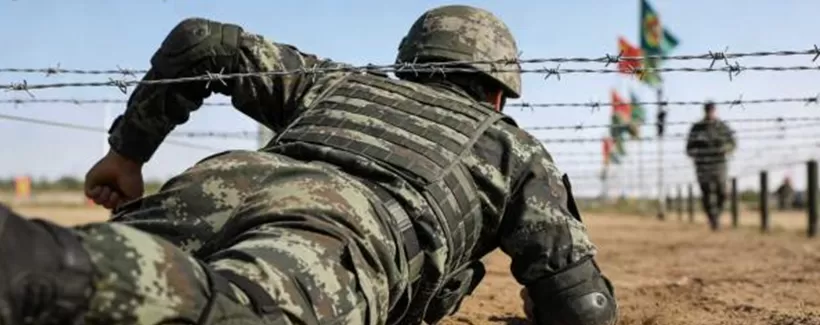
Modern military protection is no longer simply about adding harder shells or thicker padding. Effective protection must work as an integrated system—managing impact while supporting mobility, fit, comfort, and compatibility with helmets, tactical apparel, and body armor.
NNF manufactures finished military protective gear incorporating proprietary shear-thickening impact technology. Its product range includes ballistic vest liners, helmet liners, external tactical protectors, and built-in protective inserts for military and police applications.
Importantly, NNF supplies finished protective gear and protective components rather than raw shear-thickening materials. The underlying technology is developed and integrated into the finished products supplied to customers.
Military protection needs to address more than impact resistance alone.
A protective component may perform well mechanically but still create problems if it is too bulky, restricts movement, shifts during use, or cannot integrate properly with existing equipment.
For example, a helmet liner must fit within limited internal space while maintaining comfort and ventilation. A tactical knee protector must remain correctly positioned while the wearer kneels, runs, or crawls. A vest liner needs to contribute to impact management without making the overall system unnecessarily rigid.
This means procurement teams should evaluate the complete protective component, rather than selecting equipment only according to the material inside it.
NNF's shear-thickening technology is designed to remain flexible during normal movement while increasing resistance when subjected to sudden impact.
This adaptive behavior makes it suitable for protective applications where mobility and impact management need to coexist.
However, material behavior alone does not determine protection. The geometry, thickness, surface structure, placement, and integration method of the finished protector are equally important.
NNF therefore develops its technology as part of finished protective products rather than selling raw STF, foam sheets, rolls, or polymer compounds separately.
For military OEMs and procurement teams, this means the focus can remain on the required protective application rather than on processing raw impact-absorbing material themselves.
Different military applications require different types of finished protection.
| Finished Protective Product | Typical Application | Main Design Considerations |
|---|---|---|
| Ballistic vest insert liner | Tactical vest systems | Impact management, flexibility, breathability |
| Ballistic helmet liner | Tactical helmets | Fit, ventilation, comfort and low bulk |
| External tactical protectors | Knees, elbows and joints | Stability, mobility and durability |
| Built-in protective inserts | Tactical apparel | Low-profile protection and flexibility |
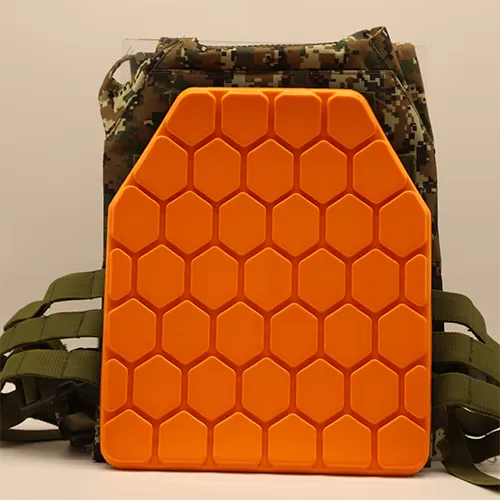
NNF manufactures finished ballistic vest insert liners designed for integration into protective vest systems.
Rather than supplying only the impact-absorbing material, NNF provides the finished liner or protective insert structure. This allows buyers to evaluate practical factors such as thickness, fit, flexibility, breathability, and compatibility with the final vest design.
For OEM programs, the liner can also be reviewed according to the intended product structure and integration requirements.
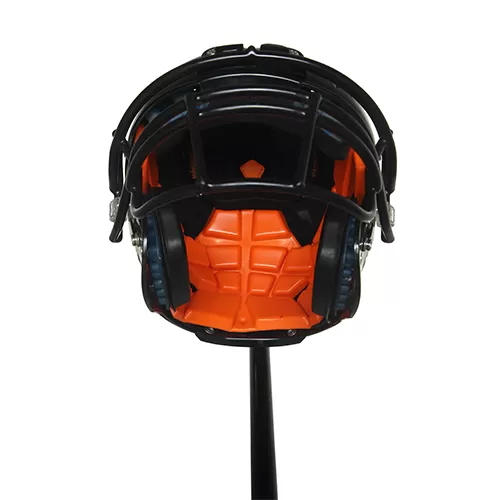
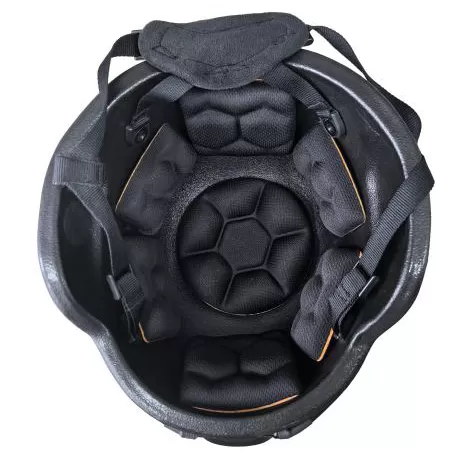
A ballistic helmet liner needs to combine impact protection with comfort and efficient use of limited internal helmet space.
NNF's finished helmet liner systems are designed around helmet fit, breathable structures, and contoured protective pads. This approach allows the impact-absorbing technology to function as part of the complete helmet protection system rather than as an isolated material layer.
For B2B buyers, factors such as helmet type, pad arrangement, thickness, head fit, and application environment should all be considered before selecting a liner system.
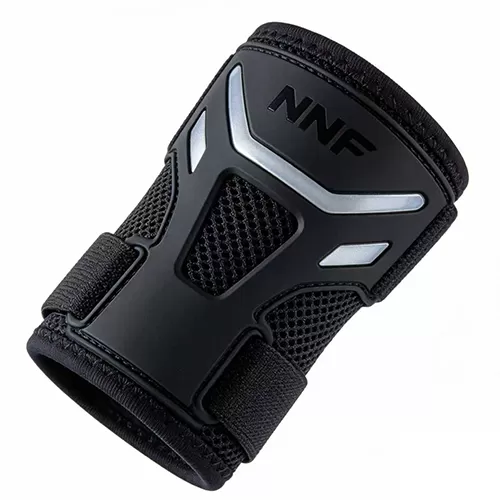
External protection is often required for areas exposed to repeated contact with hard surfaces, particularly the knees and elbows.
NNF's external tactical protective gear combines impact-absorbing structures with protective shells for military and police applications.
The finished protector should remain securely positioned during movement while allowing the wearer to bend, kneel, crawl, and change position efficiently.
This makes ergonomic design just as important as the impact-absorbing technology itself.
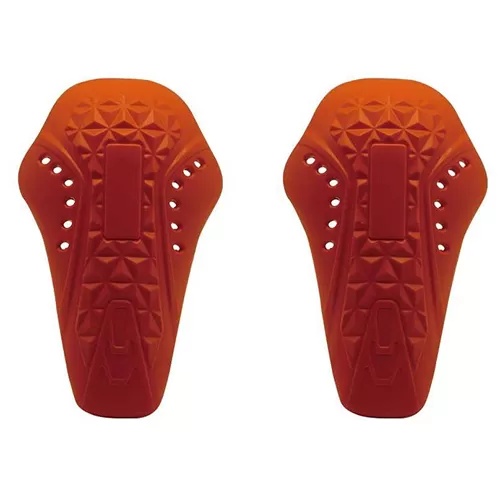
Some applications require lower-profile protection that can be integrated directly into tactical apparel.
NNF's built-in tactical protective gear is designed for targeted knee and elbow protection while reducing unnecessary bulk.
These inserts can be more suitable where external guards would interfere with movement or equipment. Their value comes from combining flexible impact protection with a structure designed specifically for integration into clothing.
Military and police procurement should begin with the application rather than with the material.
Buyers should first identify the protected body area and determine whether the protector will be used externally, inside tactical clothing, within a helmet, or as part of a vest system.
Fit and mobility should then be evaluated under realistic movement conditions. Protection that shifts away from the intended area or creates excessive restriction may reduce usability.
Environmental conditions also matter. Tactical equipment may be exposed to temperature changes, moisture, repeated impact, and extended wear, so relevant product testing should be reviewed according to the intended application.
For OEM projects, buyers should provide dimensions, drawings, target thickness, integration requirements, expected order quantity, and any applicable testing requirements.
Advanced materials can contribute to better protection, but they do not function independently.
The final result depends on how the material is molded, shaped, positioned, and combined with the rest of the protective structure.
For this reason, NNF focuses on finished protective gear, liners, and molded protective components.
NNF does not sell raw shear-thickening fluid or unprocessed impact-absorbing foam separately. Its proprietary technology is integrated into finished protective products supplied for military, police, sports, and other impact-protection applications.
This approach also helps OEM customers reduce the need to develop the protective material system from scratch.
NNF supplies finished vest liners, helmet liners, external tactical protectors, and built-in knee and elbow protective components.
No. NNF integrates its proprietary shear-thickening technology into finished protective gear and components rather than selling raw STF separately.
Yes. Product shape, dimensions, thickness, structure, and integration requirements can be reviewed according to OEM/ODM project needs.
Application information, drawings or dimensions, protected body area, integration method, target quantity, and relevant testing requirements are useful starting points.
Advanced military protective gear is increasingly about intelligent integration rather than simply adding more padding.
Vest liners, helmet liners, tactical knee and elbow protectors, and built-in inserts must balance impact management with mobility, comfort, fit, and compatibility with the surrounding equipment.
NNF develops finished military protective products around these requirements and integrates proprietary shear-thickening technology directly into the components it manufactures.
For military OEMs and procurement teams, this means sourcing an application-ready protective solution rather than purchasing raw material and developing the complete protection system independently.