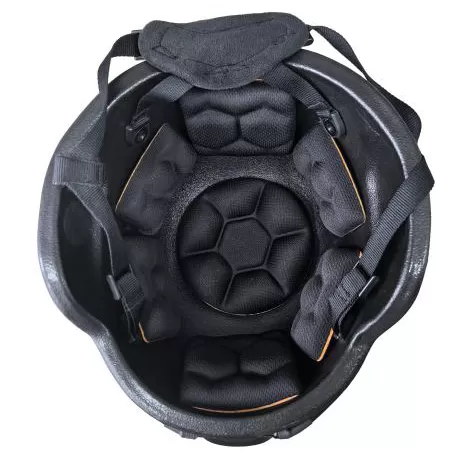
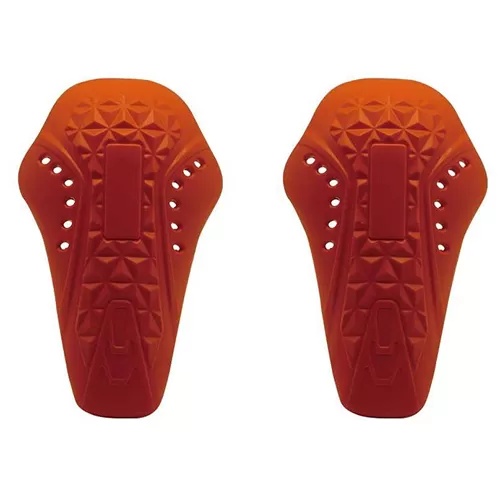
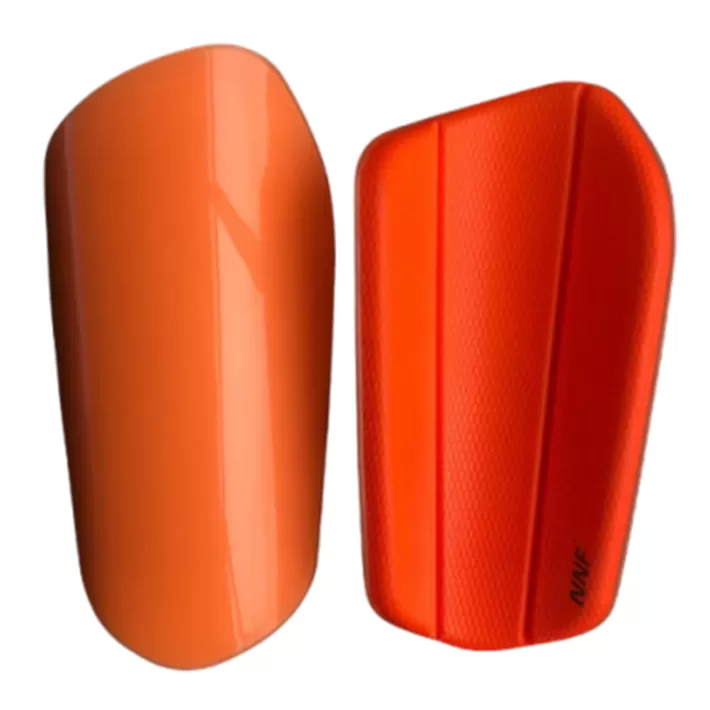
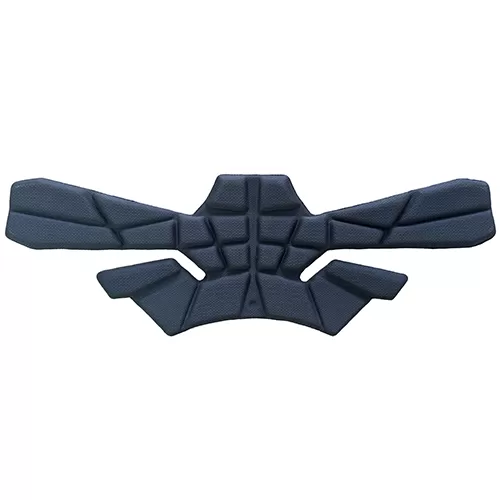
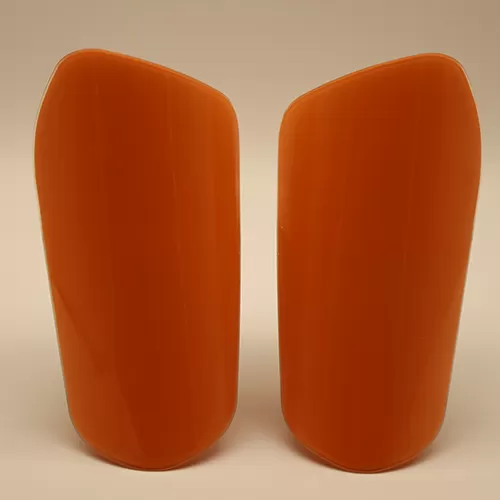
NNF-BH SERIES BULLETPROOF HELMET LINERS WITH NON-NEWTONIAN FLUID CHARACTERISTIC

When sourcing body parts protection solutions, manufacturers and brands should focus on more than impact resistance alone. The most reliable protection systems combine advanced materials, optimized designs, lightweight construction, user comfort, and consistent manufacturing quality. Technologies such as non-Newtonian fluid materials, including shear-thickening solutions, are increasingly being adopted because they can remain flexible during normal movement while rapidly hardening under high-impact forces.
For companies looking for reliable protection products, key evaluation factors include material performance, protection standards, customization capabilities, production capacity, testing processes, and supplier expertise.
The right body parts protection solution depends on the application environment, impact risks, user requirements, and product expectations. A high-performance protective system should provide:
High impact absorption capability to reduce transmitted force
Flexible and lightweight construction for long-term comfort
Durable materials that maintain performance after repeated use
Ergonomic design that supports natural body movement
Reliable manufacturing consistency for large-scale production
Traditional protective materials such as rigid plastics or conventional foam can provide basic protection but may create limitations in flexibility, ventilation, and user mobility. Advanced protection technologies aim to balance safety and comfort by adapting material behavior according to impact conditions.
For brands developing sports equipment, protective gear, or safety products, selecting the right material platform is critical for product differentiation.

Non-Newtonian fluid technology improves protection performance by changing material behavior when external forces are applied.
Under normal conditions, these materials remain soft and flexible, allowing users to move naturally. During sudden impact, the material structure rapidly increases resistance, helping absorb and distribute impact energy.
Compared with traditional rigid protection materials, non-Newtonian fluid-based solutions offer several advantages:
| Feature | Traditional Protection Materials | Non-Newtonian Fluid Protection |
|---|---|---|
| Flexibility | Limited | High flexibility during movement |
| Impact response | Fixed protection level | Dynamic response to impact force |
| Comfort | May restrict movement | Designed for mobility |
| Weight | Often heavier | Lightweight construction possible |
| User experience | Protection-focused | Protection + comfort balance |
This technology is especially valuable for applications where users require both protection and freedom of movement, such as sports protection, wearable safety equipment, and specialized protective products.
High-performance body parts protection products typically combine multiple material technologies rather than relying on a single layer.
Common material categories include:
These smart materials provide adaptive impact protection by increasing resistance under sudden force. They are suitable for applications requiring flexibility and shock absorption.
Advanced foams help reduce impact energy through compression and deformation. They are often combined with other materials to improve overall protection.
Multi-layer designs may integrate flexible fabrics, impact-resistant layers, and cushioning materials to achieve better performance.
Modern protective equipment increasingly uses engineered polymers to reduce weight while maintaining structural strength.
The best solution depends on the required protection level, target users, product design, and certification requirements.
Choosing the right supplier is one of the most important decisions for brands developing protective products. A qualified body parts protection manufacturer should demonstrate expertise in:
A supplier with strong R&D capabilities can help optimize material selection, thickness, structure, and product performance according to application requirements.
Professional manufacturers should have strict testing procedures covering:
Impact resistance
Material durability
Environmental stability
Mechanical performance
Product consistency
Reliable testing ensures that every production batch meets expected performance standards.
For brands entering competitive markets, customization is essential. A capable supplier should support:
Custom product structures
Different protection levels
Material optimization
Design adjustments
OEM/ODM production
This allows companies to create differentiated protective products rather than competing with standard solutions.
Weight and comfort directly influence whether users consistently wear protective equipment.
Heavy protective products may provide strong protection but can reduce mobility and increase user fatigue. Lightweight protection solutions improve usability by offering:
Better freedom of movement
Reduced physical burden
Improved wearing comfort
Longer usage periods
For sports and wearable applications, comfort is not only a user experience factor but also a key factor affecting product acceptance and market success.
The required protection level depends on the expected impact conditions and user environment.
Sports protection products require a balance between:
Impact absorption
Flexibility
Breathability
Low weight
Athletes need protection that supports performance without restricting movement.
Industrial applications may require stronger protection against:
Mechanical impacts
Repeated shocks
Workplace hazards
Product design should consider specific working conditions and safety requirements.
Consumer products usually prioritize:
Comfort
Appearance
Easy wearing experience
Everyday usability
Understanding the end-user scenario helps manufacturers select the appropriate material and structure.
Customization allows brands to develop products that match specific market requirements.
A professional supplier can assist with:
Material formulation adjustments
Product thickness optimization
Shape and size customization
Functional improvements
Production scalability
For businesses launching new protective products, working with an experienced technology partner can shorten development cycles and improve product competitiveness.
Before selecting a supplier, buyers should evaluate several key questions:
Performance testing information helps verify whether the product meets application requirements.
OEM/ODM capabilities are important for brands requiring customized solutions.
Stable production capacity ensures reliable supply for commercial projects.
Quality management systems and inspection processes help maintain consistent performance.
Professional technical support helps customers optimize product design and application.
NNF focuses on advanced non-Newtonian fluid protection technology and provides innovative solutions designed for high-impact protection applications.
By combining material science, product engineering, and manufacturing expertise, NNF helps partners develop protective solutions that achieve:
Flexible wearing experience
High impact protection performance
Lightweight product design
Customized application solutions
Reliable production support
For companies searching for next-generation body parts protection solutions, partnering with an experienced technology supplier can provide a competitive advantage in developing safer and more comfortable protective products.
Sourcing high-performance body parts protection solutions requires a comprehensive evaluation of materials, technology, supplier capabilities, and application requirements. As demand grows for lighter, more comfortable, and smarter protective equipment, advanced materials such as non-Newtonian fluid technologies are creating new possibilities for safety product innovation.
For brands seeking reliable protection solutions, choosing an experienced manufacturer with strong R&D capabilities and customization support is essential for building competitive products in today’s market.